


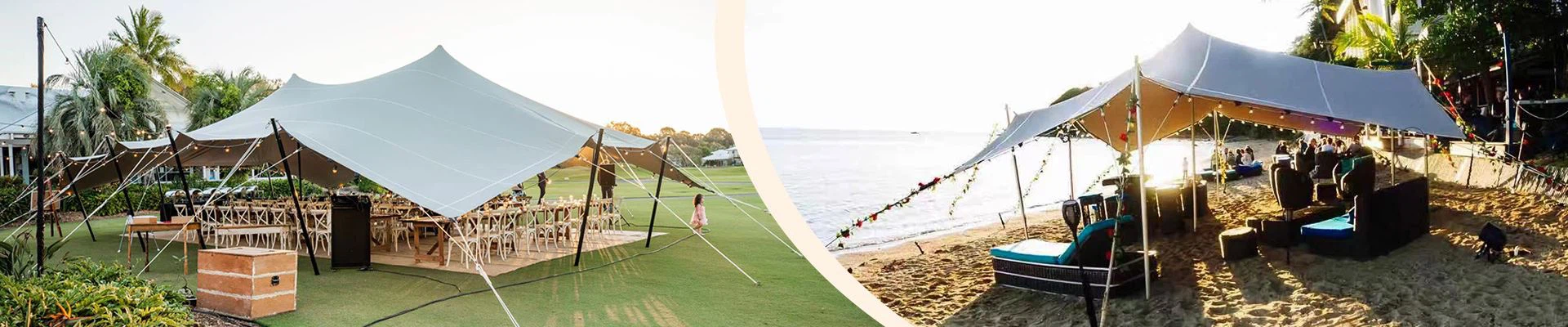
There are no stretched tents that do not condense. The principle of condensation, the temperature in the tent is higher, the temperature of the stretch tent wall is lower, and the water vapor in the tent condenses on the stretch tent wall. The human body at night by the respiratory system and sweat in 200-500ml. (no less!) If there is a lot of sweat dispersion, if the temperature is very low, the temperature in the sleeping bag insulation layer drops below the dew point, and the water will accumulate in the sleeping bag insulation layer. This is one of the most important considerations for long winter camping.
Simply put, in a cold environment, single layer or internal and external tent, if the ventilation cover design is not good, this problem is inevitable, why? First of all, understand where the water comes from, in terms of sleeping, one is the water vapor evaporated by the body, the other is the water vapor exhaled from the mouth, and the words air and vapor are very different. Water vapor is a breathable function of the coated fabric can penetrate out, and the mouth exhaled out of the beginning is water vapor, because the exhalation volume is relatively large, out of the mouth after the cold will become water vapor, white flower that is, is already tiny water droplets, is greater than the breathable coating fabric micropores, rarely can penetrate out, like Goretex these more than a hundred pieces of micro-porous membrane fabrics in the internal and external temperature difference in the environment will appear internal "fogging" problems, not to mention the breathable PU fabric stretch tent? If the function of the breathable hood is low, and the speed of water vapor drying is lower than the speed of exhalation, the iron will condense on the inner layer of the fabric, and the window fog and frost are the same.
Due to the cost problem, stretch tent fabrics are cheap PU coatings, which are not breathable at all, and like plastic sheeting, they will definitely condense. The price of PU coated fabric for stretch tents is 4 to 8 pieces a meter, the clothing is cheap PU coated fabric with a certain breathability ability, the so-called low permeability (breathable below 3000) price is 12 ~ 18 pieces a meter, stretch tent materials are less than ten meters, more than tens of meters, the cost of using breathable materials is amazing! The breathable fabric of the clothing used in the alpine tent sells for more than a few thousand pieces.
So how to avoid, there are many ways: keep ventilation, this depends on the design of the stretch tent, each has its own merits, especially the single-layer bottom (the floor and the tent are sewn together), the top must be well ventilated, otherwise the condensate will flow down Choose a double-layer stretched tent with a bottom breathable inner tent, condensate will flow down the outer tent, here must pay attention to the ventilation ability of the inner tent, if the ventilation is not good is very dangerous, just condensation is okay, In a cold environment, if condensate constantly frosts on the inner tent, resulting in a completely airtight closed inner tent, it will be suffocating. The large stretch tent can make a fire inside, and the structure design that does not make a fire... In the absence of exhaled water vapor, choose a stretch tent with breathable fabric (choose a cotton stretch tent without weight requirements, breathable and moisture-permeable), and choose a good water repellency, to prevent the face cloth from getting wet and reduce the breathability ability, this depends on financial resources...
What To Do If A Stretch Tent Condenses in A Cold Environment?
Jun 08, 2023
